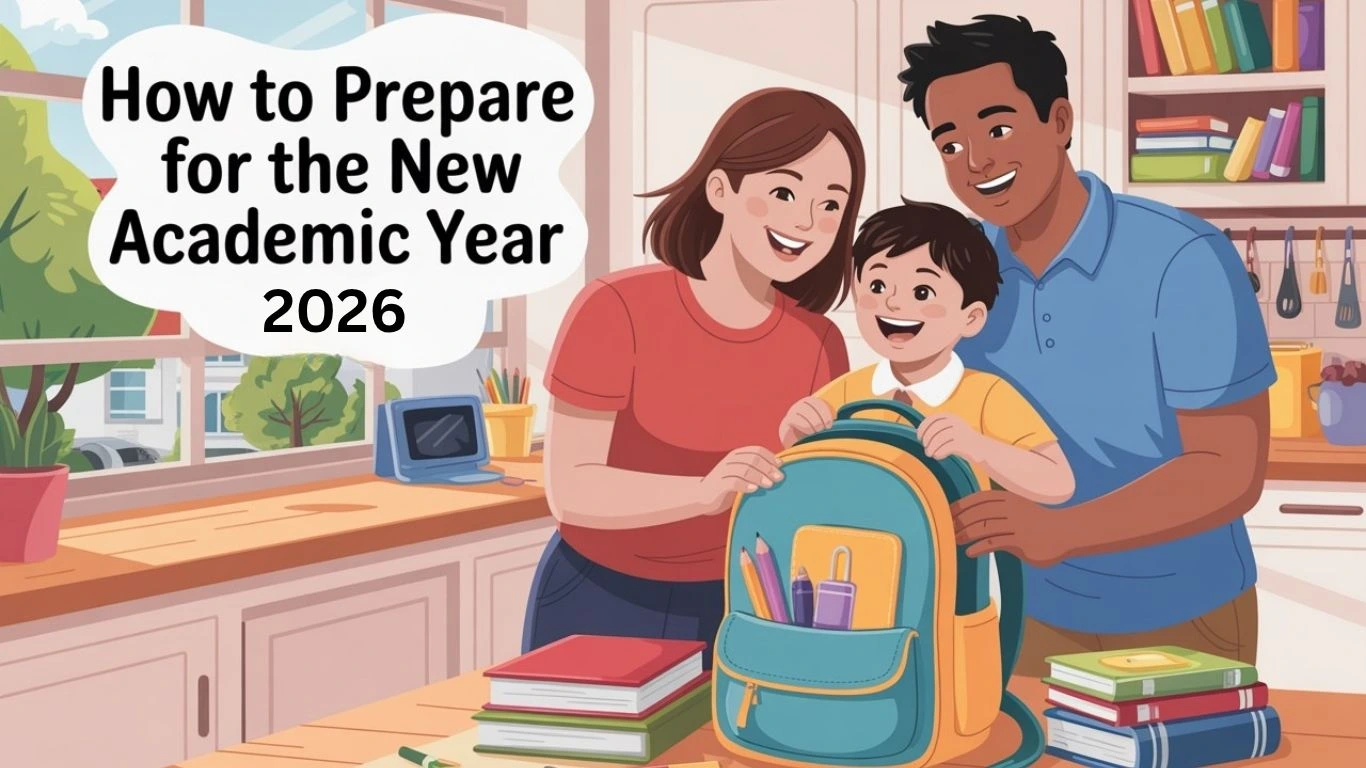
How to Prepare for the New Academic Year 2026-27: Practical Tips for Students and Parents to Start Strong



A new academic year is a fresh start. It brings new subjects, new goals, and sometimes new schools. But this change can also feel overwhelming, especially for students and parents who are unsure how to begin.
Don’t worry. With the right preparation, you can learn this transition smoothly and stress-free. Whether your child is entering preschool or high school, here are simple, effective tips to help start the new year strong.
Each academic year is a stepping stone in a child’s educational journey. When students and parents invest time in preparing beforehand,
Simply organizing school supplies, thoughtful preparation can lead to stronger academic and emotional outcomes.
Start improving your sleep and wake times at least 2 weeks before school begins. Fix consistent timings for meals, study sessions, screen time, and rest. A routine helps create predictability, reduces first-day anxiety, and boosts focus.
Clear out old clutter, sort your notebooks, textbooks, and stationery. Label your supplies and create a dedicated study space to promote focus and avoid last-minute panic.
Spend time brushing up on key subjects from the last year, especially the topics you found tough. This helps strengthen your foundation and boosts your confidence for new concepts.
Define short-term and long-term academic or personal goals. Whether it’s improving in math, joining a new club, or reading more books, setting goals keeps you motivated and on track.
Use planners or digital calendars to manage assignments and exam dates. Break study sessions into focused, manageable blocks to avoid burnout.
Eat balanced meals, sleep 8+ hours daily, and stay physically active. Don’t forget to take breaks and maintain a healthy balance between academics and fun.
Learn about digital platforms or apps your school will use. Explore tools like educational games, flashcard apps, or planners that can support your learning.
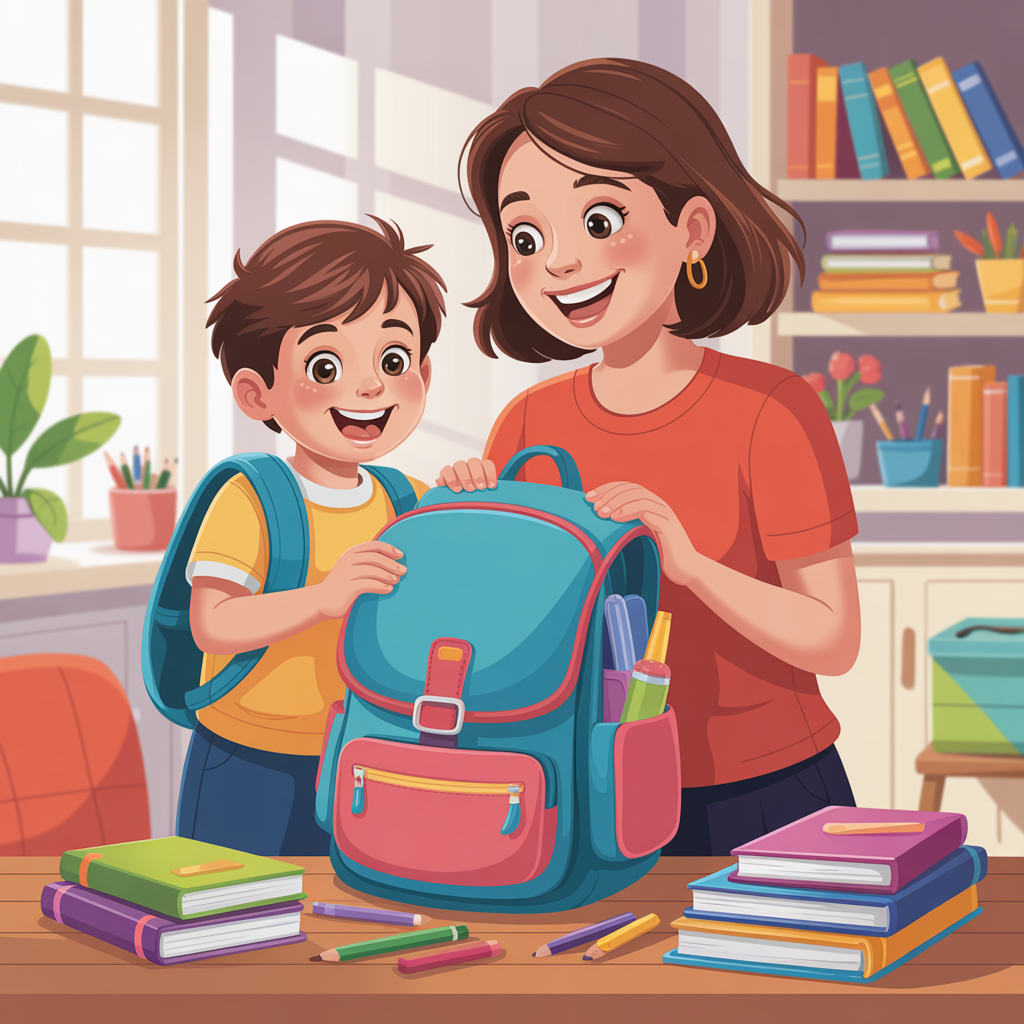
Follow the school list and shop with your child. Let them buy a few items; they’ll be a little excited about school.
Set up a calm, well-lit space at home for homework. Avoid distractions like TV and loud noise.
Set fixed times for sleeping, eating, homework, and screen time. Predictable routines reduce stress.
Let your child pack their bag, organise their own supplies, and take some responsibility for simple tasks. It builds confidence.
Introduce yourself to teachers, especially if your child is changing schools. Regular communication helps you stay updated and support your child better.
Talk to your child about their feelings. Celebrate small wins like a good day or completing homework. A little encouragement goes a long way.
Limit device usage, especially before bedtime. Encourage alternatives like books, creative play, or outdoor activities.
Use a family calendar to track school events, homework deadlines, and parent-teacher meetings. Planning ahead helps everyone stay stress-free.
Establishing healthy and predictable routines plays a key role in academic success. Here are some essential routines:
Emotional Check-ins: Create space for conversations about feelings and stress.
Long holidays give students time to relax and enjoy a break from school. However, many students find it difficult to return to studies once classes restart. This happens because learning needs regular practice. When students completely disconnect from studies for weeks, they may forget important concepts and lose study habits.
Common reasons students forget lessons during holidays:
Even a small daily learning routine during holidays can help students stay connected with studies.
The new academic year is a major milestone for preschoolers. Here’s how you can help:
Gradually shift to school-appropriate sleep and wake times. Try a calm bedtime routine and consistent mealtimes.
Let them practice basic tasks—brushing teeth, dressing, and packing their bag. These build confidence and independence.
If possible, attend school tours or orientations. Introducing your child to the environment and the teacher reduces first-day fear.
Read books about school, talk about making friends, and share your own fun school memories to make them feel excited.
Serve nutritious meals and plan daily physical play. Keep hygiene fun with songs and colorful tools.
Set screen limits and encourage creative play, storytelling, or simple games that build focus and communication.
Celebrate small achievements and transitions, like getting dressed on time or finishing lunch at school. Positivity builds resilience.
Area | Student Tips | Parent Tips |
| Routine | Fix sleep schedule, daily planning | Reinforce consistency in meals and sleep |
| Organization | Tidy up supplies, use planners | Set up study space, shop for supplies early |
| Academics | Review material, set goals | Talk to teachers, understand syllabus |
| Well-being | Eat healthy, stay active, limit screen time | Monitor nutrition and device usage |
| Emotional Health | Stay positive, talk about worries | Open communication, celebrate milestones |
Time | Activity |
| 6:30–7:00 AM | Wake up, hygiene, get dressed |
| 7:00–7:30 AM | Breakfast |
| 7:30–8:00 AM | Pack bag, review day’s schedule |
| School Hours | School |
| 3:30–4:00 PM | Snack and relax |
| 4:00–5:00 PM | Homework/study |
| 5:00–6:00 PM | Free play or physical activity |
| 6:30–7:00 PM | Dinner |
| 7:30–8:00 PM | Family time or quiet activity |
| 8:00–8:30 PM | Bath, storytime, sleep prep |
| 8:30 PM | Bedtime |
Class 10 is an important stage because students begin preparing for board exams and future academic goals. Starting the new academic year with proper planning can reduce pressure later and help students stay more confident throughout the year.
Some useful preparation tips for online tuition for Class 10 students:
Starting early with small efforts can make Class 10 preparation easier and less stressful.
Class 12 often comes with extra responsibilities such as board exams, entrance exam preparation, and career planning. Beginning the academic year with a clear plan can help students manage their studies better and avoid last-minute stress.
Students can prepare better with online tuition for class 12:
Consistency from the beginning can help students stay organized throughout the year.
A strong start doesn’t require perfection, it just needs preparation. Whether you're a student planning your day or a parent supporting a preschooler, small steps go a long way. Establish routines, communicate openly, and keep things consistent.
At Interval Learning, we support your child’s journey from Day 1. From personalised one-on-one tuition to engaging preschool programs and study planning, we’re here to help your child start strong and stay confident all year.
Explore our academic and non-academic learning plans today. Let’s make this year count, together.
Choose one subject or the full curriculum; our fully customized classes are designed to fit your child’s unique needs. Start learning your way today!
As Kerala schools reopen for the 2026–27 academic year, this is also the perfect time for students to rebuild study routines and prepare for a smooth start.
Students or parents should start the new academic year 2026-27 at least two weeks before the first day of school to give your child time to adjust.
Some of the best back-to-school tips for students include creating a timetable, organizing study materials, improving sleep schedules, revising old chapters, and setting academic goals for the year.
Talk openly. Share stories of your own school days, read books about school, and visit the school together if possible.
Students can prepare for a new academic year by creating a study routine, revising previous concepts, setting learning goals, and gradually returning to a daily study habit before school reopens.
Set clear rules. Create screen-free zones (like bedrooms) and replace screen time with other activities like puzzles or reading.
Class 10 and Class 12 students should understand the syllabus, follow a study plan, revise basics, focus on concept clarity, and start preparation early to reduce exam stress later.