LKG, UKG & Kindergarten Reading Comprehension: Age-Wise Skills, Activities & Practice Ideas
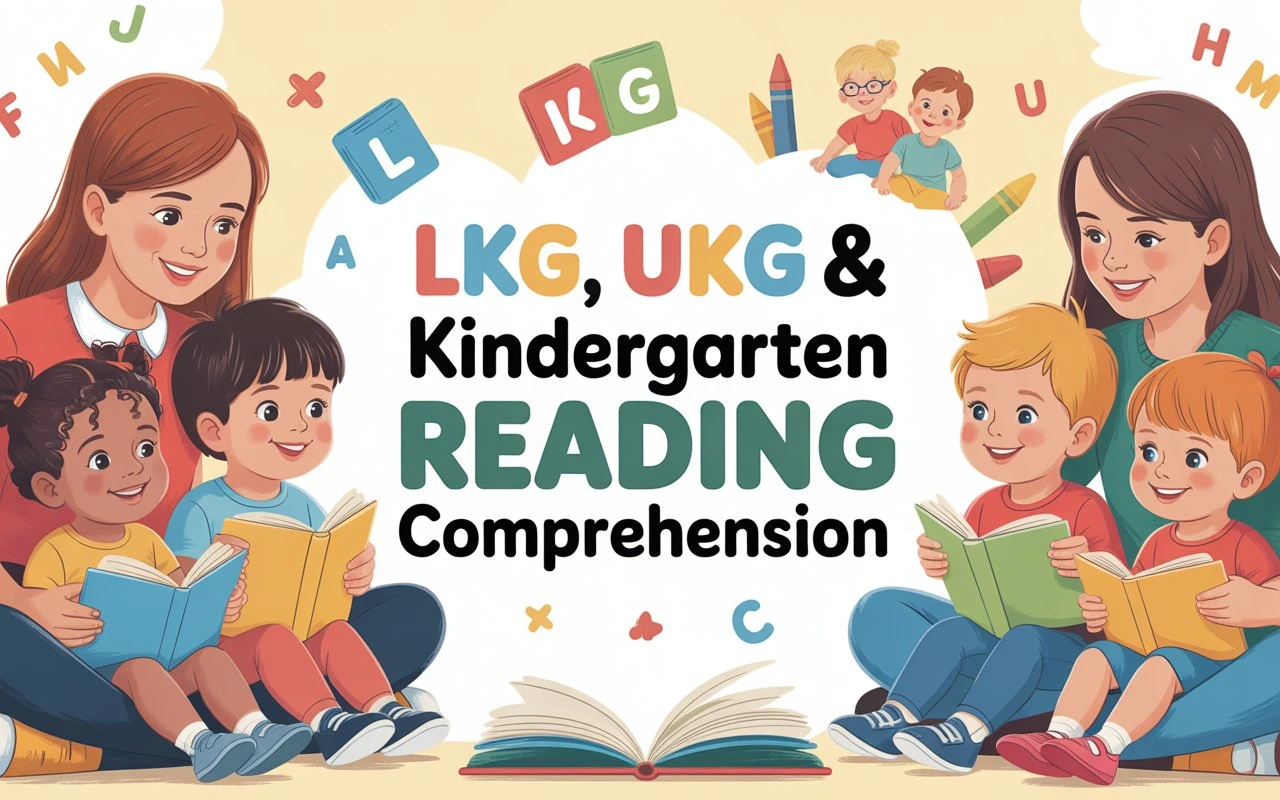



Reading comprehension in LKG, UKG, and Kindergarten develops slowly and naturally. Children move from understanding pictures and listening to stories to predicting what will happen next to finally answering “why” and “how” questions.
For ages 3 to 6, the goal is simple: build listening skills, vocabulary, curiosity, and a love for stories. Early reading should feel enjoyable, not like pressure.
In this guide, you’ll learn age-wise reading skills, simple activities, daily routines, and the best worksheets for kindergarten reading. Whether your child is in LKG, UKG, KG1, or KG2, these ideas will make learning fun and meaningful at home.
_TBvhfTi.webp)
Reading comprehension simply means how well a child can understand what they hear or read.
It includes looking at pictures, answering questions, and connecting stories to real life.
Interval Learning's Little Genie Program is thoughtfully created to give young children a confident and joyful start to learning. With hands-on activities, simple explanations, and gentle support, the program helps children learn with ease.
Parents can select a 6-month or 1-year plan, save up to 30% by paying the full fee upfront, or reserve a seat with a fully refundable ₹5,000 deposit.
At this stage, children learn mainly through pictures, sounds, and listening. Reading should feel like a fun conversation, not a task.
Children in UKG start making sense of longer stories and connecting ideas. They also begin noticing written words around them.
Kindergarten children slowly move toward early reading and simple decoding.
Unlock your child's true potential with a free one-on-one academic assessment. Identify strengths, improve weak areas, and build confidence with expert guidance.
Get a Free Assessment
LKG reading activities should be simple, playful, and based on talking, listening, and observing.
A picture can start great conversations and build vocabulary.
Short stories with big pictures make reading enjoyable.
Rhymes help children hear and play with sounds.
Sequencing teaches order and logic.
UKG activities should encourage thinking, predicting, and explaining stories.
Retelling helps children understand the story structure.
Prediction keeps them active during reading.
Understanding feelings builds empathy.
A gentle introduction to linking text and meaning.
Kindergarten activities should mix comprehension, phonics, and simple reading.
Passages with pictures are perfect for beginners.
A structured and easy retell method.
Children love imagining scenes.
Real-life reading builds practical confidence.
A short daily routine works better than long practice sessions.
This structure keeps reading stress-free and engaging.
Worksheets help children practice phonics, sight words, and comprehension in a structured way.
Each platform offers printable resources suitable for LKG, UKG, and Kindergarten.
You don’t need many materials. A simple routine and regular conversations make the biggest impact.
Strong reading comprehension affects everything your child learns later—language, writing, thinking, and confidence.
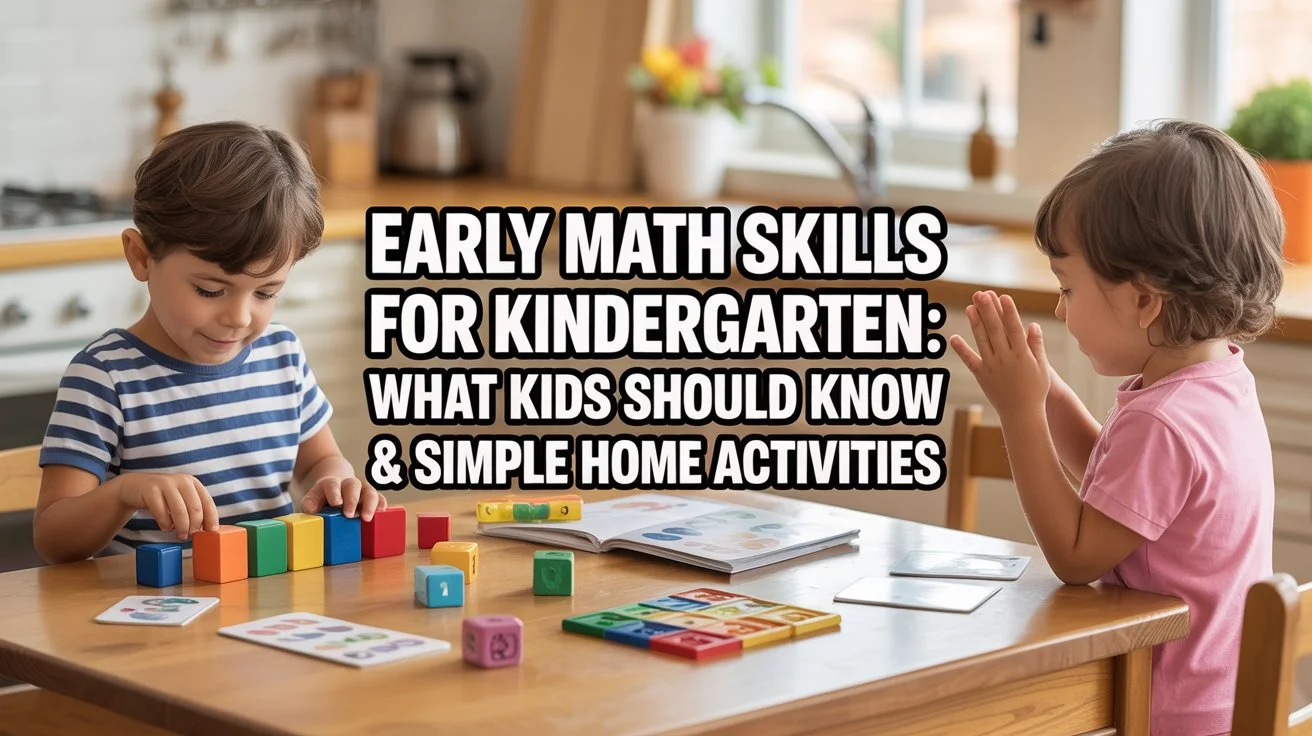
Starting kindergarten is a big milestone, and it’s normal for parents to wonder if their child is truly ready. Readiness is not just ABCs or counting—it includes how your child communicates, follows routines, plays with others, and manages simple tasks on their own. A clear pre-K skills checklist helps you see where your child is doing well and where they may need a little more support.
For a full guide, explore our blogs below
Many websites only give worksheets or general reading tips. What children actually need is personal guidance, structured routines, and a mix of phonics + comprehension.
That’s exactly what Interval Learning provides.
Give your child a strong reading foundation with Interval Learning’s One-on-One Online Kindergarten Program.
At Interval Learning, your child gets personalised support, phonics learning, fun story activities, and age-appropriate worksheets for LKG, UKG, KG1, and KG2.
You can also enrol in our Online Phonics Classes to help your child read words clearly and confidently.
Most children start reading readiness between 4–6 years. The focus should be on listening, picture talk, and basic words.
Use daily read-alouds, prediction questions, retelling activities, and simple worksheets.
Yes. Worksheets help children practice phonics, sight words, and small comprehension passages.
A short 10–15 minutes is enough when done consistently.
Yes. We offer one-on-one online kindergarten classes that focus on comprehension, phonics, and vocabulary.
Yes. Our phonics program helps children decode words, blend sounds, and read confidently.
Yes. We provide custom worksheets for LKG, UKG, KG1, and KG2 based on your child’s level.

Unlock your child's true potential with a free one-on-one academic assessment. Identify strengths, improve weak areas, and build confidence with expert guidance.
Get a Free Assessment