Download Kerala SSLC Onam Exam 2026 Model Question Papers in PDF Format



If your child is in Class 10 this year, the Onam exam is probably already on your mind, and honestly, it should be. It's the first real test of how well the year's syllabus has landed so far.
The Kerala SSLC Onam Exam 2026 (First Term Exam) is scheduled from 10 August to 21 August 2026. This covers everything taught in school from June through early August, so nothing from later chapters will show up on the paper.
At the time of writing, SCERT and individual schools haven't released the subject-wise exam timetable yet. We'll update this page the moment it's out but there's no reason to wait for that before you start preparing. The portion is already known, and that's really the part that matters most for revision.
If you haven't checked the full exam date announcement yet, we've covered that separately here: Kerala Onam Exam Dates 2026
There's no magic formula here, but a few things genuinely make a difference when time is tight.
1. Stick to the First-Term Portion Only
It's tempting to over-prepare, but studying chapters beyond the first term just eats into time you don't have. SCERT's Scheme of Work is the safest reference for what's actually in scope; check with your school if they've shared a printed copy, or refer to the SCERT official site for the latest syllabus documents.
2. Practice With Model and Previous-Year Papers
Solving actual Onam exam question papers, even from previous years, does two things: it shows you the real format (MCQs, short answers, and long answers), and it builds the kind of exam-day confidence that revision notes alone can't.
3. Time Yourself Like It's the Real Exam
Pick a quiet hour, set a timer for the actual paper duration, and attempt a full question paper without pausing. It sounds simple, but most students skip this step and it's the one that matters most.
4. Revise a Little, Every Day
Cramming the week before rarely works for Class 10 syllabus depth. A steady 45 minutes a day on tough topics beats a single long session the night before.
5. Go Through Answer Keys Honestly
Don't just check if you got it "roughly right." Compare your answer wording against the key, especially for Social Science and language subjects where phrasing matters for marks.
The first-term portion only includes chapters covered between June and early August 2026 nothing more. Based on how the syllabus typically progresses in the first term (and pending the official 2026 - 27 confirmation from your school), here's a general guide to what's usually covered:
Subject | Typical First-Term (Onam) Portion |
| Mathematics | Arithmetic Sequences, Circles, Second Degree Equations, Trigonometry (introductory chapter), part of Statistics |
| Physics | Motion, Laws of Motion |
| Chemistry | Structure of Matter, Elements and Compounds |
| Biology | Life Processes, Cell Biology |
| Social Science | History (first 2 chapters), Geography (first chapter), Civics/Economics (first chapter) |
| English | Units 1 & 2, along with related grammar |
| Malayalam / Hindi / Arabic / Sanskrit | First set of prose and poetry lessons, plus grammar |
This table reflects the usual first-term pattern. Please cross-check with your school's official portion notice once released, since SCERT occasionally adjusts chapter sequencing between academic years.
If you want the exact Onam exam question paper Class 10 PDF, you can download it here:
Malayalam Medium
Subject | Malayalam Medium PDF |
| Malayalam 1 | Download |
| Malayalam 2 | Download |
| English | Download |
| Hindi | Download |
| Arabic | Download |
| Sanskrit (Academic) | Download |
| Sanskrit (Oriental) | Download |
| Urdu | Download |
| Biology | Download |
| Chemistry | Download |
| Physics | Download |
| Math | Download |
| Social Science | Download |
English Medium
Subject | English medium PDF |
| Malayalam 1 | Download |
| Malayalam 2 | Download |
| Hindi | Download |
| English | Download |
| Physics | Download |
| Chemistry | Download |
| Biology | Download |
| Maths | Download |
| Social Science | Download |
Subject | Mark | Duration |
| English (Second Language) | 80 | 2.5 hr |
| Hindi / General Knowledge (Third Language) | 40 | 1.5 hr |
| Mathematics | 80 | 2.5 hr |
| Social Science | 80 | 2.5 hr |
| Physics | 40 | 1.5 hr |
| Chemistry | 40 | 1. 5 hr |
| Biology | 40 | 1.5 hr |
If your child needs help with a specific subject or complete academic support, Interval Learning provides customised tuition in subjects such as the ones listed below.
Since last year, Kerala schools have followed a rule requiring at least 30% marks in every individual subject for Classes 8, 10, and 12; students can no longer average out a weak subject with strong marks elsewhere. If a student doesn't clear the minimum in a subject, schools typically offer special support classes, followed by a SAY (Save-a-Year) exam as a second attempt. Only after that would a student need to repeat the year.
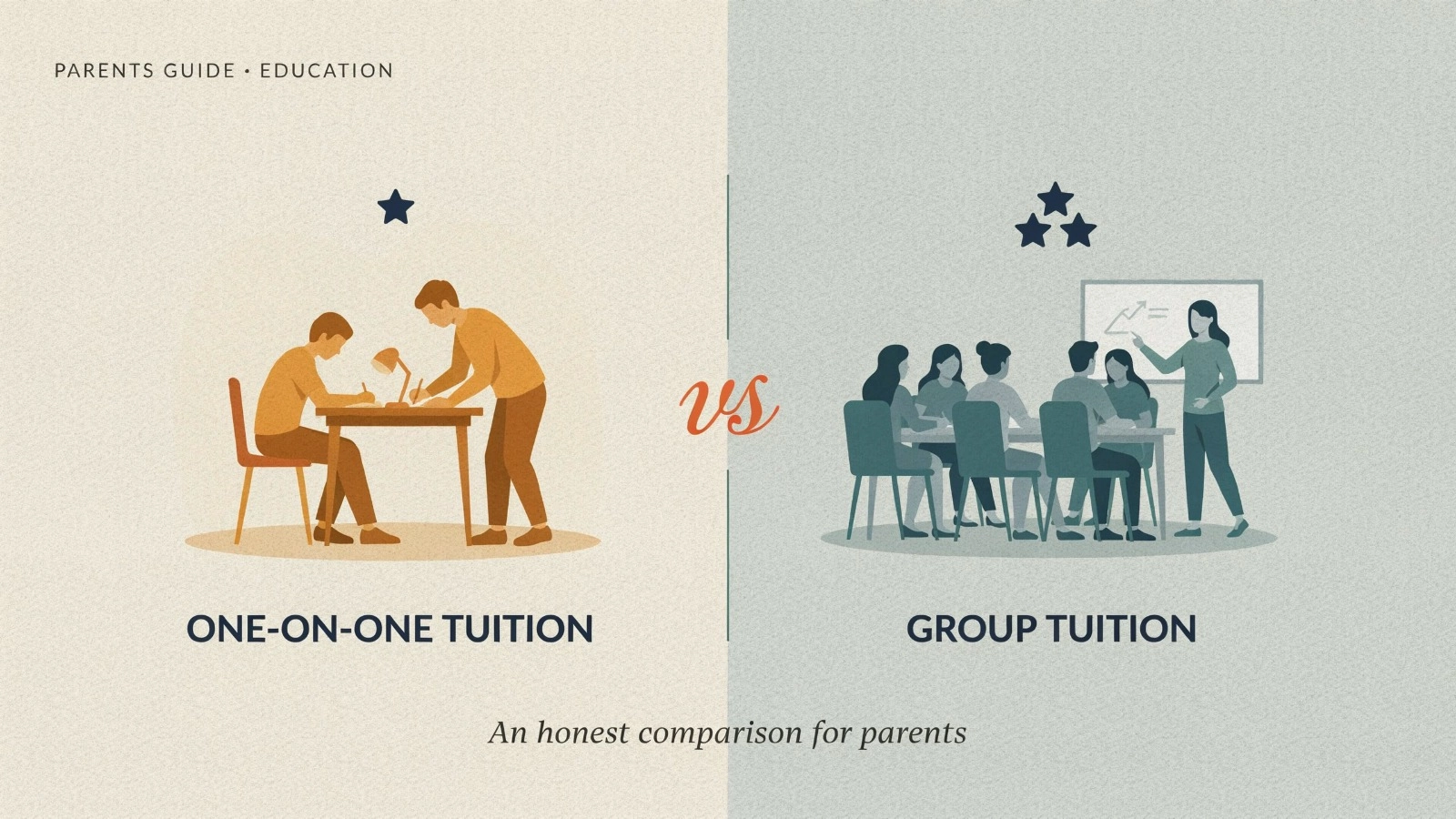
Interval Learning's personalised tuition focuses on exactly what your child needs before August 17 the first-term Onam syllabus, covered chapter by chapter with an experienced teacher who is fully focused on your child. No batch, no rushing ahead. Just clear teaching, regular progress updates for parents, and timings that fit around school. Whether it is a short Onam exam preparation course or long-term support through SSLC.
Unlock your child's true potential with a free one-on-one academic assessment. Identify strengths, improve weak areas, and build confidence with expert guidance.
Get a Free Assessment
The Kerala SSLC Onam (First Term) Exam 2026 is scheduled from 10 August to 21 August 2026.
Not yet, as of this writing. Schools are expected to share the subject-wise schedule closer to the exam dates check your school notice board or WhatsApp updates regularly.
Broadly yes, SCERT sets the overall portion, though individual schools may adjust pacing slightly. Always confirm with your own school for the final list.
Yes, previous-year papers are genuinely useful for understanding question patterns. Just make sure your final revision follows the 2026 portion once it's confirmed.
Yes. We offer one-on-one tuition for Class 10 students preparing for the Onam exam, focused specifically on the first-term syllabus.
We focus only on the first-term chapters, use model and previous-year question papers for practice, and adjust the pace based on where each student is actually struggling.
You can reach out through our website or call us directly to enrol.

Unlock your child's true potential with a free one-on-one academic assessment. Identify strengths, improve weak areas, and build confidence with expert guidance.
Get a Free Assessment